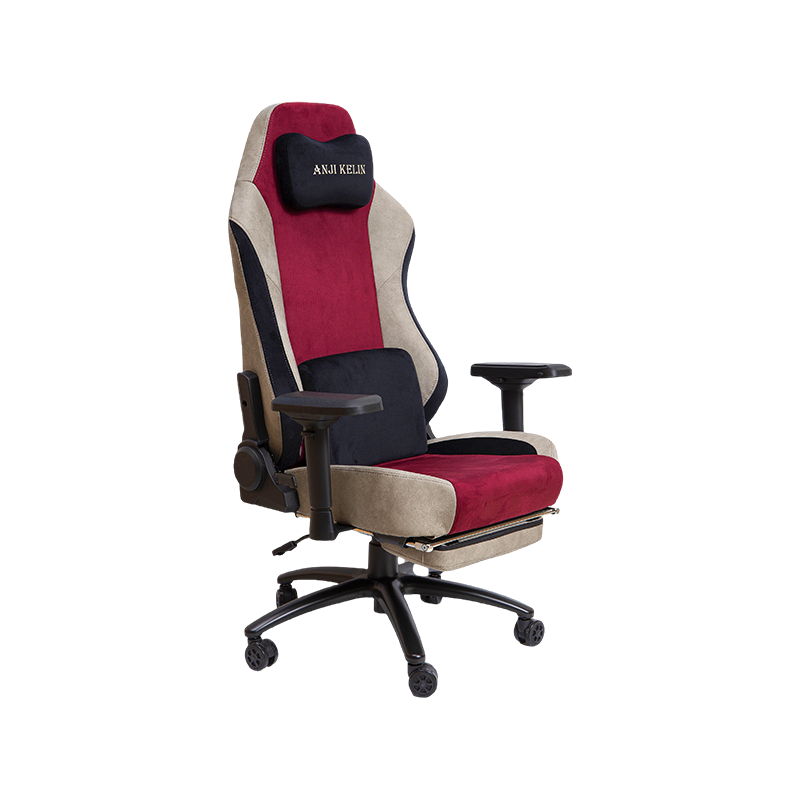
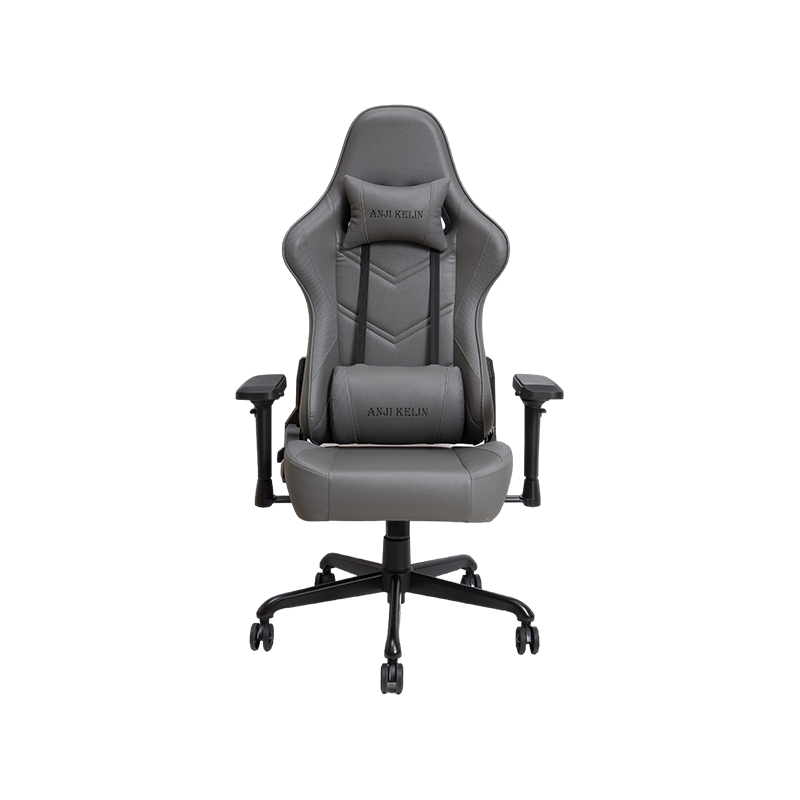
English
 عربى
عربى
 Español
News

Content
Push back from a desk, spin toward a filing cabinet, roll over to grab a printout — none of that happens without the small wheeled devices mounted under the chair legs. A caster is a wheel unit attached to the base of a chair, cart, or other piece of furniture so it can roll instead of being dragged or lifted. On an office or gaming chair, there are usually five of them, one at the end of each leg of the star-shaped base.
Each caster is built from three basic parts. The housing (sometimes called a yoke or fork) is the outer frame that holds everything together and attaches to the chair leg. The stem is the piece that plugs into the leg itself, and it comes in a few common styles — grip ring, grip neck, and threaded — which is why matching stem type matters when replacing a worn caster. The wheel is the part that actually touches the floor, and its material is what determines how the chair feels rolling across your specific flooring.
According to Wikipedia's overview of caster mechanics, a swivel caster includes a small offset between the stem's vertical axis and the wheel's center, which is what lets it automatically trail behind the direction of travel. That offset is a small detail, but it's the reason a chair caster follows you smoothly instead of dragging sideways every time you change direction.
Rigid casters only roll in a straight line — think of the fixed back wheels on a shopping cart. They're simple and durable, but they can't turn on their own axis, so they're rarely used on a chair where you need to move in any direction from a seated position.
Swivel casters rotate a full 360 degrees around their stem, which is why nearly every office and gaming chair uses them. This is what lets you shift toward a monitor, reach a drawer, or turn to talk to a coworker without standing up. Almost any chair caster you'll encounter on modern seating is a swivel type; rigid casters mostly show up on carts, dollies, and other equipment that only needs to travel in one direction.

The wheel material is the single biggest factor in whether a caster protects your floor or damages it. Getting this backwards is the most common caster mistake people make, and it usually shows up as scuff marks or a chair that rolls unpredictably.
| General guidance; always check the specific caster's rated floor compatibility before purchase. | ||
| Wheel Type | Best Floor | What Happens on the Wrong Floor |
| Hard (nylon/plastic) | Carpet | Scratches and dents hardwood, tile, or laminate |
| Soft (rubber/polyurethane) | Hardwood, tile, laminate | Rolls with more resistance and can drag on thick carpet |
| Dual-wheel | Mixed or high-traffic spaces | Not applicable — designed for stability across surfaces |
The rule of thumb is simple: hard wheels need soft floors, and soft floors need hard wheels. A nylon caster rolls smoothly across carpet fibers without sinking in, but that same hard surface will grind against hardwood or tile with every pass. Soft rubber or polyurethane wheels do the opposite — they cushion the contact point and protect delicate flooring, at the cost of slightly more rolling resistance.
Not every caster is designed to roll freely all the time. Braking casters include a lever or spring mechanism that stops the wheel from turning, which matters more than people expect — a chair that drifts away the moment you stand up or lean back can turn into an actual fall risk, not just an inconvenience.
Some braking designs lock under weight and release when the chair is unoccupied; others do the reverse, staying locked until someone sits down. This second type is common in Europe, where certain safety regulations call for chairs to stay put by default. If you've ever wondered how caster locks help when napping in a rolling chair, this is exactly the mechanism at work — engaging the lock keeps the chair from sliding out from under you mid-nap.
How a chair gets used day to day should drive the caster choice more than aesthetics do. A chair that only moves a few inches at a desk has very different demands than one that gets pushed back hard and spun around during a long gaming session.
For gaming chairs built for long, heavy-duty use, larger dual-wheel casters spread the load across more contact points and hold up better under repeated, forceful movement. The North American furniture industry association BIFMA's chair standards documentation includes caster and base durability testing as part of what a five-star chair base is expected to withstand over years of use, which is a useful benchmark when comparing heavier-duty options like the heavy-duty dual-wheel casters for larger executive chairs.
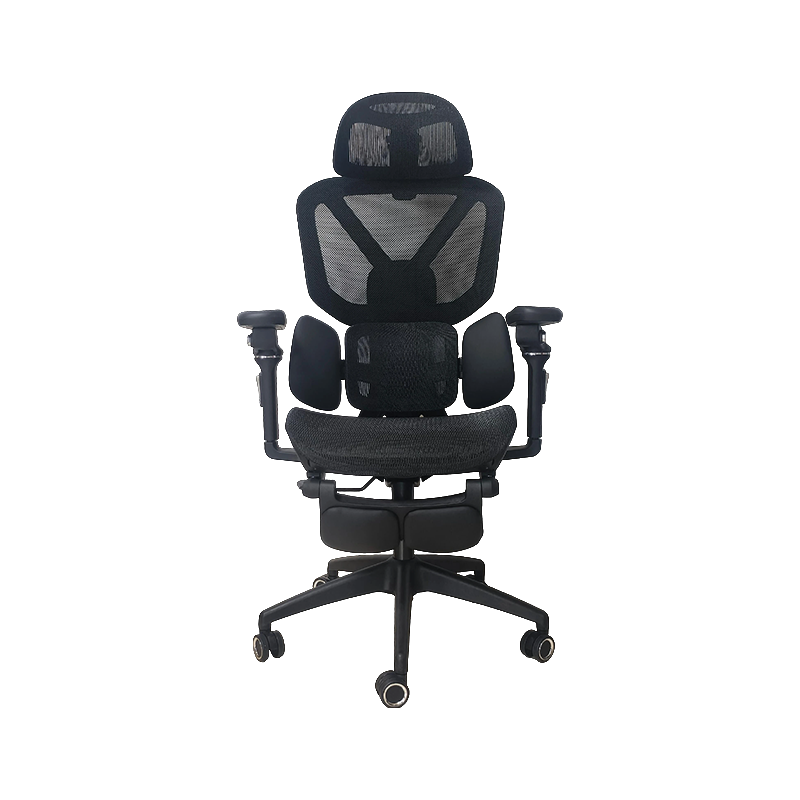
For lighter, everyday use — a mesh office chair designed for everyday desk work typically does fine with standard single-wheel casters sized to the floor type. If you're weighing a full chair purchase rather than just a caster swap, our complete guide to choosing a gaming chair walks through how base and caster quality fit into the bigger picture alongside frame, cushioning, and adjustability.
Chairs
Gaming Chair Office Chair High-end Luxury Gaming Chair Regular Gaming Chair Mesh Office Chair PU Leather Office Chair Fabric Office ChairContact Us