English
 عربى
عربى
 Español
News

Most desk chairs are adjustable — but adjusting them correctly is something the majority of people never do. A chair set too low forces your knees above your hips, compresses the lumbar spine, and strains the neck by pushing your eye line below monitor height. A chair set too high leaves your feet dangling, cuts circulation in the thighs, and forces your shoulders upward toward the keyboard. Getting the height right takes under a minute and has an outsized effect on comfort and posture during long work sessions. This guide covers every method for raising a desk chair — from the thirty-second pneumatic lever adjustment to a full gas cylinder replacement — organized from easiest to most involved so you can find the right fix for your specific situation.
Content
Before adjusting anything, establish a clear target. The correct seated chair height positions your feet flat on the floor, your knees at approximately 90 degrees, and your thighs roughly parallel to the ground. Your elbows should rest at or just below desk surface level when your upper arms hang naturally at your sides. This alignment keeps the spine in a neutral S-curve and reduces compressive load on the lumbar discs. For a deeper look at how chair height interacts with desk dimensions, see our home office desk and chair matching guide.
Use the table below as a starting reference. These are the recommended seat heights by user height for a standard seated desk setup.
| Recommended desk chair seat height by user height for ergonomic seated posture | ||
| User Height | Recommended Seat Height | Recommended Desk Height |
| 5'0" – 5'3" (152–160 cm) | 16 – 17 in (41–43 cm) | 24 – 26 in (61–66 cm) |
| 5'3" – 5'7" (160–170 cm) | 17 – 18 in (43–46 cm) | 25 – 27 in (63–69 cm) |
| 5'7" – 5'11" (170–180 cm) | 18 – 19.5 in (46–50 cm) | 27 – 29 in (69–74 cm) |
| 5'11" – 6'3" (180–190 cm) | 19.5 – 21 in (50–53 cm) | 28 – 30 in (71–76 cm) |
| 6'3"+ (190+ cm) | 21 – 23 in (53–58 cm) | 30 – 32 in (76–81 cm) |
If your current chair cannot reach the target range for your height, work through the methods below in order. The first method costs nothing and solves the problem for most people. If it doesn't, continue down the list.
The vast majority of modern desk chairs use a pneumatic gas cylinder for height adjustment. This is the fastest and most common fix — and the one most people either forget exists or operate incorrectly.
The adjustment lever is typically located under the right side of the seat, between the seat pan and the chair base. Here is the correct procedure:
If the lever does nothing or the chair cannot reach your required height even at its maximum position, the cylinder has either reached its upper limit or is worn out. Continue to the methods below.

A firm seat cushion is the quickest zero-installation solution for a chair that sits slightly too low. It is best suited for users who need 1–3 inches of additional height and do not want to modify the chair mechanically.
Choose a high-density memory foam or gel-foam cushion rather than a soft pillow — soft materials compress almost entirely under body weight and provide little net height gain. A cushion with a thickness of 2.5–3.5 inches typically delivers a usable height increase of 1.5–2.5 inches after compression. Look for a non-slip bottom surface or use a grip pad underneath to prevent the cushion from sliding during the workday.
The limitation of this method is proportional: a thicker cushion raises you higher relative to the backrest and armrests, which may reduce lumbar support effectiveness if those features were aligned to the original seat height. If your chair has adjustable lumbar support and armrests, recalibrate them after adding the cushion.
A chair riser platform is a flat, rigid base placed under the entire chair frame to elevate the whole unit off the floor — raising the seat height without modifying the chair itself. This is the most practical solution for chairs with fixed-height legs (dining chairs, wooden task chairs, or older office chairs without gas cylinders), and it also works with standard pneumatic office chairs where the maximum cylinder height is still too low for a tall user.
Riser platforms are available in wood, heavy-duty plastic, and metal construction, typically offering 2–6 inches of elevation. The key selection criteria are platform size (must be larger than the chair's footprint to prevent tipping), weight capacity (should comfortably exceed your body weight), and surface material (non-slip rubber base to prevent sliding on hard floors). For a full breakdown of riser types, sizing, and installation steps, see our dedicated chair riser platform guide.
One practical note: raising the chair with a riser without also raising the desk creates a new ergonomic mismatch. If your desk is at a fixed height, calculate the combined effect — riser height plus seat height — to confirm elbow-to-desk alignment before purchasing.
If the pneumatic lever works but the chair simply cannot reach the height you need at its maximum position, the most effective and permanent solution is to replace the existing gas cylinder with a longer one. Standard office chair cylinders offer 4–5 inches of travel range. Extended cylinders are available with 6–10 inches of travel, which shifts the entire height range upward significantly.
Gas cylinders are highly standardized — the vast majority of office chairs use a universal 2-inch diameter piston that fits without chair-specific adapters. Before purchasing, measure the visible length of your current cylinder from the base of the seat to the top of the five-star base when the chair is at maximum height, to confirm the new cylinder will fit within your spatial constraints.
Replacement procedure:
The entire process takes 10–15 minutes and requires only a rubber mallet and a pipe wrench. Replacement cylinders cost $15–$40 depending on length and weight rating, making this one of the most cost-effective permanent upgrades available.
For chairs without a gas cylinder — fixed-leg task chairs, dining chairs used as desk chairs, or wooden office chairs — adding height at the legs is the most practical approach.
Larger caster wheels: Standard office chair casters have a wheel diameter of about 2 inches, placing the base roughly 2–2.5 inches off the floor. Upgrading to 3-inch casters raises the entire chair by approximately 0.5–1 inch while also improving rolling performance on carpet. This is a modest gain but requires no tools beyond pulling out the old casters and pressing in the new ones — they use a standard 7/16-inch stem that fits virtually all five-star chair bases.
Furniture leg extenders: For chairs with individual fixed legs, screw-on or slip-on leg extenders are available in increments of 1–4 inches. Choose extenders rated for the chair's leg diameter and ensure they have rubber non-slip feet to maintain floor contact and stability. After attaching, sit in the chair and check that it does not rock — all four or five contact points must be level.
Wooden blocks (DIY option): For a no-cost alternative, cut hardwood blocks to the desired height and drill recesses to accept each leg. Secure with bolts or strong adhesive. This requires basic woodworking tools but produces a solid, custom-height result for chairs that cannot accept commercial extenders.
Before applying any of the methods above, diagnose the actual problem. There are two distinct issues that feel similar but have different causes and solutions.
Problem A — The chair is simply too low for your height. When you raise the lever with no one sitting on the chair, the seat rises freely and holds position. The issue is that even at maximum height, the seat does not reach your ergonomic target. Solution: replace the gas cylinder with a longer model (Method 4), use a riser platform (Method 3), or a combination of both.
Problem B — The chair slowly sinks during use. When you raise the seat and sit on it, it gradually descends over minutes or hours back toward its lowest position. This indicates a worn or leaking gas cylinder that can no longer hold pressure. Adding a cushion or riser will not fix this — the cylinder itself needs replacement. Follow the procedure in Method 4 to install a new cylinder. A temporary workaround while waiting for a replacement is to insert a hose clamp around the cylinder column below the seat — this physically prevents downward travel and stabilizes the height until the new part arrives.
Correctly identifying which problem you have before spending money on riser platforms or extenders will save time and cost.

The methods above can extract significant additional height from most existing chairs. But there are situations where modification is not the right answer — where the chair's design, condition, or adjustability range makes upgrading the more practical long-term choice.
Consider replacing the chair when: the seat foam has collapsed and no longer provides adequate cushioning at any height; the backrest has lost its lumbar curvature or adjustment function; the chair lacks adequate height range even after cylinder replacement; or the chair has no adjustable lumbar, armrests, or tilt — features that become increasingly important for users spending six or more hours a day seated.
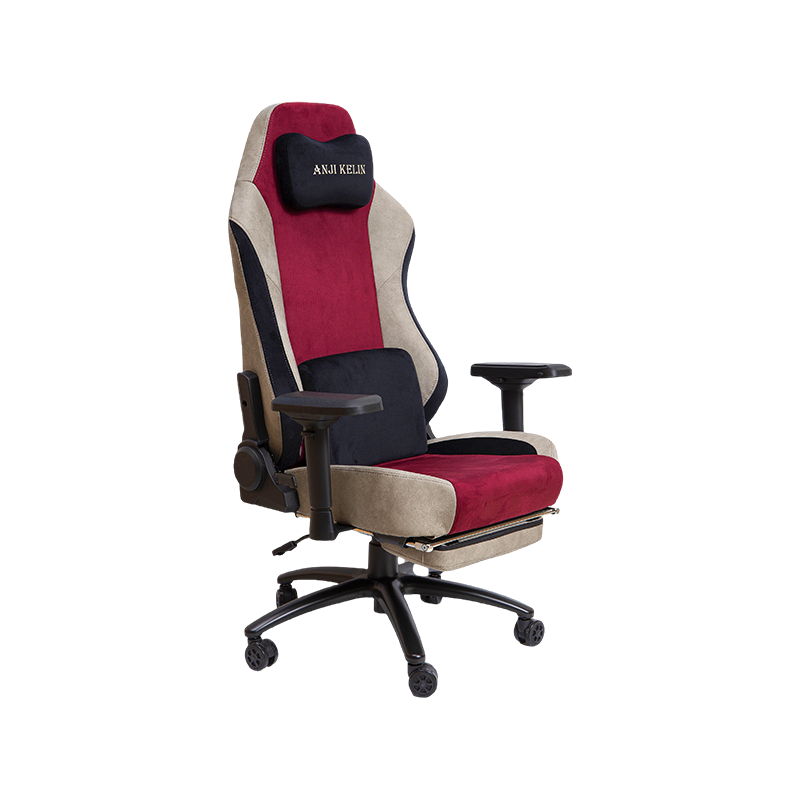
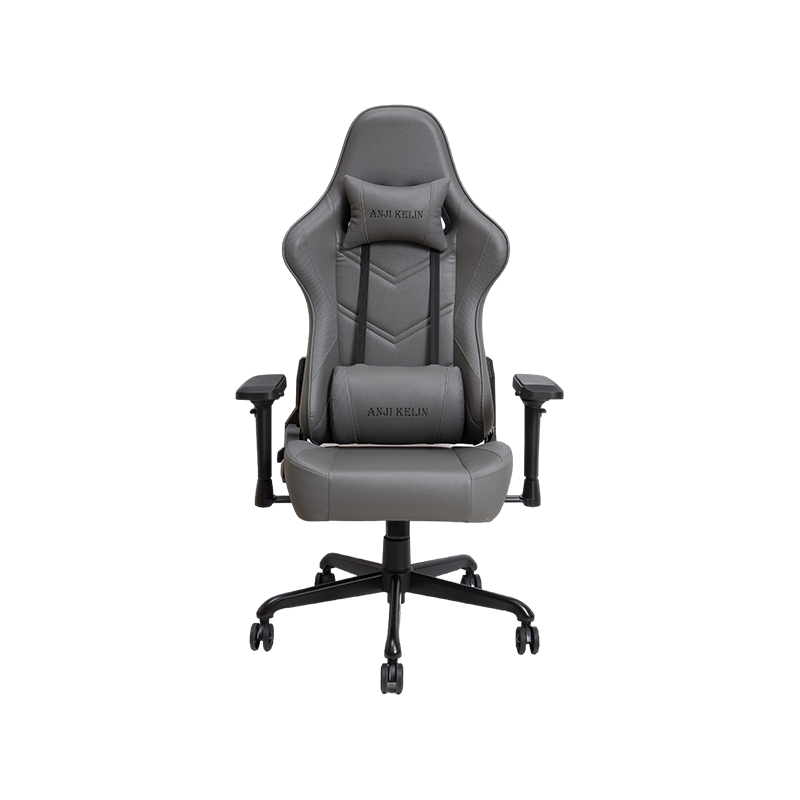
A purpose-built ergonomic chair with a full adjustment range eliminates the need for workarounds entirely. The mesh office chair from Kelin, for example, provides a gas-lift height range suitable for users from average to tall height, combined with adjustable lumbar support, armrests, and a breathable mesh backrest that maintains comfort across full working days. For users whose current chair has hit the limits of what modification can achieve, a properly specified replacement is the more efficient investment.
Chairs
Gaming Chair Office Chair High-end Luxury Gaming Chair Regular Gaming Chair Mesh Office Chair PU Leather Office Chair Fabric Office ChairContact Us