English
 عربى
عربى
 Español
News

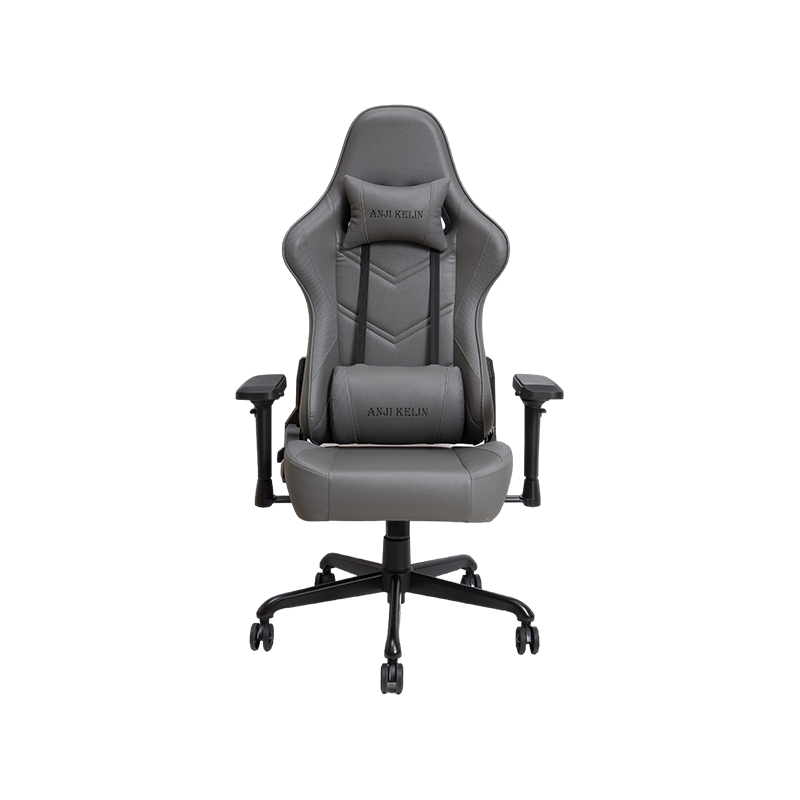
A PU leather office chair offers an ideal balance of professional aesthetics, comfort, and affordability for modern workspaces. Polyurethane (PU) leather, also known as bonded or synthetic leather, provides the sleek, polished look of genuine leather without the high maintenance requirements or prohibitive cost. For home offices and corporate environments alike, these chairs deliver consistent performance, easy cleaning, and a wide variety of design options. When selected correctly, a high-quality PU leather chair can provide ergonomic support and durability for 3 to 5 years or more, making it a smart investment for daily use.
The core advantage of PU leather lies in its uniformity and resistance to staining. Unlike natural leather, which can vary in texture and requires regular conditioning, PU leather is manufactured to be consistent in color and finish. It is less prone to cracking under normal conditions and is significantly easier to wipe down, making it a hygienic choice for high-traffic offices. However, understanding the limitations of synthetic materials is crucial for setting realistic expectations regarding longevity and breathability.
Content
Not all PU leather is created equal. The quality of a PU leather office chair depends heavily on the thickness of the polyurethane coating, the quality of the fabric backing, and the manufacturing process. Understanding these factors helps consumers avoid low-grade products that peel or flake prematurely.
Standard PU leather consists of a thin layer of polyurethane applied to a polyester or cotton backing. While affordable, it may lack durability and can feel plasticky. Premium PU leather, often marketed as "high-resilience" or "multi-layer" PU, features a thicker coating and a more robust backing material. This results in a softer hand feel, better breathability, and increased resistance to wear and tear. Some high-end variants include a microfiber layer to mimic the grain and texture of genuine leather more closely.
While genuine leather is renowned for its longevity and ability to develop a patina, it requires significant upkeep. PU leather, conversely, is low-maintenance and water-resistant. However, it lacks the natural breathability of animal hide, which can lead to heat buildup during long sitting sessions. For users in warmer climates, looking for PU chairs with perforated designs or mesh inserts can mitigate this issue.
| Feature | PU Leather | Genuine Leather |
|---|---|---|
| Cost | Affordable ($100-$300) | Expensive ($500+) |
| Maintenance | Low (Wipe Clean) | High (Conditioning Required) |
| Breathability | Low | High |
| Durability | Moderate (3-5 Years) | High (10+ Years) |
The material of the chair is only one aspect of its overall comfort. A high-quality PU leather office chair must incorporate ergonomic design principles to support proper posture and reduce strain during extended periods of sitting.
Look for chairs with adjustable lumbar support that conforms to the natural curve of the spine. Fixed lumbar supports may not suit all body types. Height-adjustable armrests are also critical, allowing users to rest their elbows at a 90-degree angle, reducing shoulder and neck tension. Seat depth adjustment ensures that there is a small gap between the edge of the seat and the back of the knees, promoting healthy circulation.
The comfort of a PU leather chair is largely determined by the foam underneath. High-density molded foam retains its shape better than standard cut foam, preventing sagging over time. A density rating of 2.0 lbs/ft³ or higher is recommended for daily use. Thicker cushioning (2-4 inches) provides better pressure distribution, reducing the risk of discomfort during long work sessions.
Proper care extends the lifespan of a PU leather office chair and keeps it looking new. Unlike genuine leather, PU leather does not need conditioning oils, which can actually damage the synthetic surface.
Selecting the best PU leather office chair involves balancing budget, aesthetic preferences, and functional requirements. Consider the primary use case: is it for occasional guest seating, intensive daily work, or executive presence?
For executive offices, high-back chairs with padded headrests and chrome bases convey authority and style. For task-oriented roles, mid-back chairs with greater mobility and breathable features may be more practical. Always check the weight capacity of the chair, ensuring it exceeds the user's weight by at least 20-30% for safety and durability. Reading customer reviews regarding long-term comfort and material integrity can provide valuable insights beyond manufacturer specifications.

Chairs
Gaming Chair Office Chair High-end Luxury Gaming Chair Regular Gaming Chair Mesh Office Chair PU Leather Office Chair Fabric Office ChairContact Us