English
 عربى
عربى
 Español
News

Content
The term ergonomic comes from two Greek roots: ergon, meaning work, and nomos, meaning natural laws or principles. Ergonomics as a discipline is the science of designing tools, equipment, and environments to fit the people who use them — rather than requiring people to adapt to the equipment. Applied to seating, this translates into a specific design philosophy: a chair should conform to the human body, not the other way around.
In practical terms, the broadest and most widely accepted definition of an ergonomic seat is one that is sufficiently adjustable to support neutral body posture across a range of body types and tasks. Industry bodies including BIFMA (Business and Institutional Furniture Manufacturers Association) and occupational health authorities consistently identify adjustability as the defining characteristic. A chair with fixed dimensions — however well-intentioned its design — cannot be ergonomic for every user, because no two bodies are alike and no single position suits every task.
This distinction matters because "ergonomic" has become a widely used marketing term applied to products that may lack the adjustability features the word implies. Understanding the actual definition provides a reliable filter: if a chair cannot be adjusted to fit the user's body dimensions and working position, it does not meet the functional definition of an ergonomic seat regardless of how it is labelled.
The fundamental difference between a standard chair and an ergonomic seat is not aesthetic — it is functional. A standard chair is built to a fixed geometry that may suit some users reasonably well but fits no one perfectly. An ergonomic seat is built around the concept of neutral posture: a body position in which the spine maintains its natural S-shaped curve, the muscles supporting the torso are minimally activated, and circulation to the lower limbs is unobstructed.
Neutral posture in a seated position involves several simultaneous conditions: feet flat on the floor or a footrest, knees at approximately 90 degrees, thighs roughly parallel to the floor, lower back supported in its natural inward curve, shoulders relaxed and not elevated, and the neck in a neutral position with the head balanced over the spine rather than pushed forward. Maintaining all of these conditions simultaneously for extended periods requires a chair that can be precisely adjusted to the individual's body proportions and desk setup.
The Canadian Centre for Occupational Health and Safety (CCOHS) states in its office ergonomics chair guidelines that a chair becomes ergonomic only when it specifically suits a worker's body dimensions, their particular workstation, and the tasks performed there — emphasizing that the chair itself is only part of the equation. A high-specification ergonomic seat adjusted incorrectly for a given user provides less benefit than a more modest chair properly fitted.
While adjustability is the overarching requirement, ergonomic seats deliver that adjustability through a specific set of mechanisms. The presence and quality of these six features determine how effectively a seat can be configured for a given user.
| Core ergonomic seat features and their functions | ||
| Feature | What It Adjusts | Why It Matters |
| Seat height | Vertical distance from floor to seat surface | Keeps feet flat on the floor and thighs parallel; prevents pressure on the underside of the thighs |
| Lumbar support | Height and depth of lower back support | Maintains the natural inward curve of the lumbar spine; prevents slouching and associated disc pressure |
| Seat depth | Front-to-back dimension of the seat pan | Ensures a 2–3 finger gap between the seat edge and the back of the knees; prevents compression of popliteal blood vessels |
| Armrests | Height, width, and angle of arm support | Reduces load on the shoulders and neck; supports forearms during keyboard and mouse use |
| Backrest tilt / recline | Angle of the backrest relative to the seat | Allows movement and reduces sustained static loading on spinal structures; 100–110° recline reduces lumbar disc pressure |
| Headrest (optional) | Height and angle of neck support | Reduces cervical spine load during reclined positions; particularly relevant for extended screen work |
Among these, lumbar support and seat height are the highest-priority features for most users. Lower back pain from prolonged sitting is the most commonly reported musculoskeletal complaint in office environments, and both features directly address its primary cause: sustained flexion of the lumbar spine without support. For a detailed look at how these features apply to specific chair selection decisions, the mesh office chair purchase and use guide covers practical configuration advice for day-to-day office use.

The meaning of "ergonomic" shifts slightly depending on the context in which a seat is used. The neutral posture principles remain constant, but the specific adjustability requirements differ across scenarios because the tasks, durations, and body positions involved are different.
Office and desk work involves sustained static posture — the body remains relatively still for long periods while the hands operate a keyboard and mouse and the eyes focus on a screen. The primary ergonomic requirements in this scenario are lumbar support to counter prolonged spinal flexion, seat height alignment with the desk surface, and armrest positioning to reduce shoulder loading. Breathability of the seat material becomes important when sessions exceed two to three hours continuously.
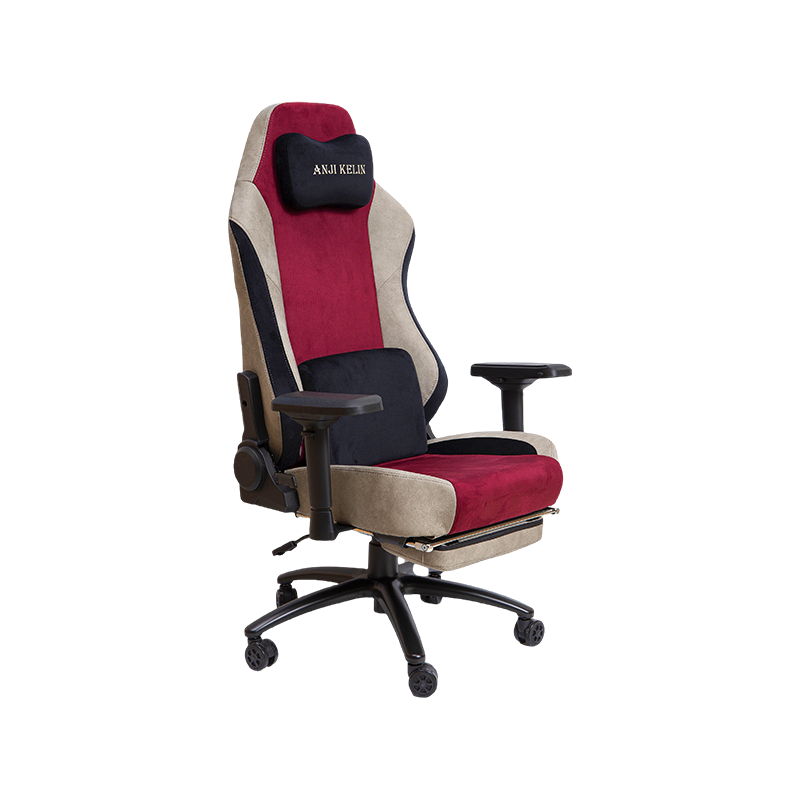
Gaming and esports present a distinct ergonomic challenge. Gaming sessions are frequently longer than typical office work sessions, and the engagement style often involves a more forward-leaning, active posture rather than the reclined working posture common in office settings. Neck and upper back strain from sustained forward head posture is the predominant complaint. Ergonomic gaming seats address this through taller backrests that support the full spine including the upper thoracic region, combined with adjustable headrests and recline mechanisms that allow the user to shift position during pauses. High-end luxury gaming chairs with ergonomic adjustability incorporate the same core adjustment mechanisms as office ergonomic chairs — seat height, lumbar support, reclining backrest, adjustable armrests — in a form factor engineered for the longer sessions and higher engagement intensity of competitive and recreational gaming.
Industrial and specialized work environments extend ergonomic seating requirements further. Operators of machinery, assembly line workers, and laboratory technicians require seats that accommodate task-specific postures — sometimes forward-tilted, sometimes elevated, sometimes requiring anti-vibration properties. In these environments, ergonomic seat design incorporates additional elements such as seat pan tilt adjustment for anterior pelvic tilt management, footrests integrated into the chair base, and materials rated for chemical or heat exposure.
The material of the seat surface and backrest has a direct effect on ergonomic performance — not through structural support, which is provided by the frame and adjustment mechanisms, but through pressure distribution, temperature regulation, and durability over extended sitting periods.
Mesh is the material most associated with contemporary ergonomic office seating. A tensioned mesh backrest conforms dynamically to the shape of the user's back, distributing contact pressure across a larger surface area than a rigid foam-padded panel. Equally important, mesh allows air circulation behind the user, preventing the heat and moisture buildup that causes discomfort and distraction during long sessions. Mesh office chairs with breathable backrests are particularly well suited to warm environments and all-day use where temperature regulation is a priority.
PU leather offers a different ergonomic profile. Its firm, smooth surface provides consistent support and is easy to clean — a relevant consideration in shared-use environments. The trade-off is reduced breathability; PU leather retains body heat during extended sessions. PU leather office chairs for executive seating are best suited to variable-duration use, air-conditioned offices, or applications where the durability and cleanability of the surface material are the primary requirements.
Fabric upholstery combines soft contact feel with moderate breathability. Woven fabric distributes pressure more gently than leather and maintains a more consistent surface temperature than either leather or some mesh constructions. Fabric office chairs for all-day comfort are a strong choice for users who prioritize surface comfort over easy maintenance, particularly in individual-use desk setups where spill risk is manageable.
Seat pan cushioning matters as much as backrest material. A waterfall front edge — where the front of the seat curves downward rather than ending in a sharp horizontal edge — reduces pressure on the underside of the thighs at the popliteal region, improving circulation during long sessions. This feature is a meaningful ergonomic differentiator that is easy to overlook when evaluating chairs based on specifications alone.
The widespread use of "ergonomic" as a marketing descriptor has generated a set of persistent misconceptions that lead buyers toward either overpaying for features they don't need or purchasing chairs that don't deliver the support they expect.
Misconception 1: A higher price guarantees better ergonomics. Price and ergonomic performance are not directly correlated. A chair's ergonomic value comes from the presence and quality of the core adjustable features — seat height, lumbar support, seat depth, armrests, and recline. Some mid-range chairs include all of these in well-executed form; some premium-priced chairs invest more in materials and aesthetics than in adjustability range. The evaluation criterion should always be the feature set and adjustment range, not the price point.
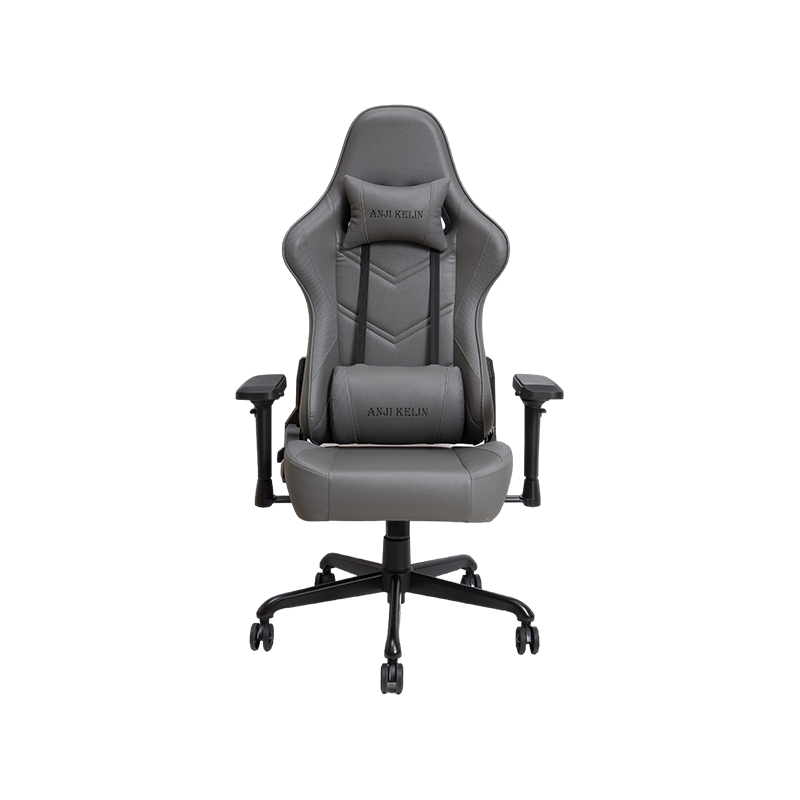
Misconception 2: Gaming chairs are automatically ergonomic. Gaming chairs vary widely in their actual ergonomic credentials. Many entry-level gaming chairs are styled to look like racing car seats — with fixed bucket-seat geometry, non-adjustable lumbar pillows, and armrests with limited range. These may be visually distinctive but lack the adjustability that defines ergonomic seating. High-specification gaming chairs, by contrast, incorporate the same core mechanisms as premium office ergonomic chairs and deliver equivalent ergonomic support. The chair category alone does not determine ergonomic performance; the adjustment features do.
Misconception 3: An ergonomic seat eliminates the need for correct setup and breaks. Even the highest-quality ergonomic seat cannot compensate indefinitely for sustained static posture. Research consistently shows that regular movement — standing briefly, walking, shifting position — is necessary for musculoskeletal health regardless of seating quality. An ergonomic seat reduces the rate at which discomfort accumulates during sustained sitting; it does not eliminate the need to move. Correct chair adjustment matched to the user's body dimensions and workstation layout remains the prerequisite for the chair to deliver its designed benefit.
Chairs
Gaming Chair Office Chair High-end Luxury Gaming Chair Regular Gaming Chair Mesh Office Chair PU Leather Office Chair Fabric Office ChairContact Us