

 English
 عربى
عربى
 Español
News

Content
Most people buying a gaming chair focus on lumbar support, armrest adjustability, or recline range — and while those features matter, the upholstery material is the one choice that affects every single minute you spend in the seat. It determines how hot you get after an hour of gameplay, how the chair smells after a summer of daily use, how easy it is to clean after a coffee spill, and how the seat surface feels against your skin through a long session.
The two dominant options — fabric and leather (including PU leather, which is the most common material used in gaming chairs marketed as "leather") — have genuinely different strengths and weaknesses. Neither is objectively superior. The right choice depends on your climate, how long you sit each day, whether you run hot or cold, and how much maintenance effort you are willing to invest. This guide breaks down both materials honestly so you can make a decision based on how you actually use your setup.
Fabric gaming chairs use woven textile upholstery — most commonly polyester mesh, microfiber, or a woven fabric blend — stretched over foam padding. The defining characteristic of fabric is its open fiber structure, which allows air to circulate through and around the seating surface rather than trapping it against your body.
This breathability advantage is significant for anyone who sits for extended periods. Leather and PU leather surfaces are non-porous — they form a sealed barrier between your body and the foam beneath, which means body heat and moisture accumulate at the contact surface. After 30 to 60 minutes, the seat and backrest surfaces warm to body temperature and begin to feel sticky or clammy, particularly in warm weather or in rooms without air conditioning. Fabric does not trap heat in the same way. Air movement through the weave carries heat away from the body continuously, keeping the contact surface closer to ambient room temperature even during long sessions.
For gamers in warm climates, students in un-air-conditioned rooms, or anyone who runs physically hot, this difference is not minor — it is the primary reason many experienced users prefer fabric despite its other trade-offs.
High-quality fabric upholstery is exceptionally durable. Woven polyester and microfiber fabrics resist tearing, do not crack with age, and maintain their structural integrity through years of daily use. Unlike PU leather, which begins to peel and flake as its polyurethane coating degrades (typically within two to five years of heavy use), a fabric gaming chair will continue to look and function well long after a PU leather chair of equivalent quality has begun to deteriorate visually.
The primary wear concern with fabric is pilling and surface abrasion at high-contact points — the seat pan and lower backrest. This is largely a cosmetic issue rather than a structural one, but it does affect the appearance of the chair over time.
Fabric is more challenging to clean than smooth leather or PU surfaces. Liquid spills absorb into the weave rather than beading on the surface, requiring prompt blotting and spot cleaning to prevent staining. Pet hair and lint adhere to fabric surfaces and require regular removal with a lint roller or vacuum attachment. However, fabric does not require any conditioning or protective treatment to maintain its integrity — unlike genuine leather, which needs periodic conditioning to prevent drying and cracking.
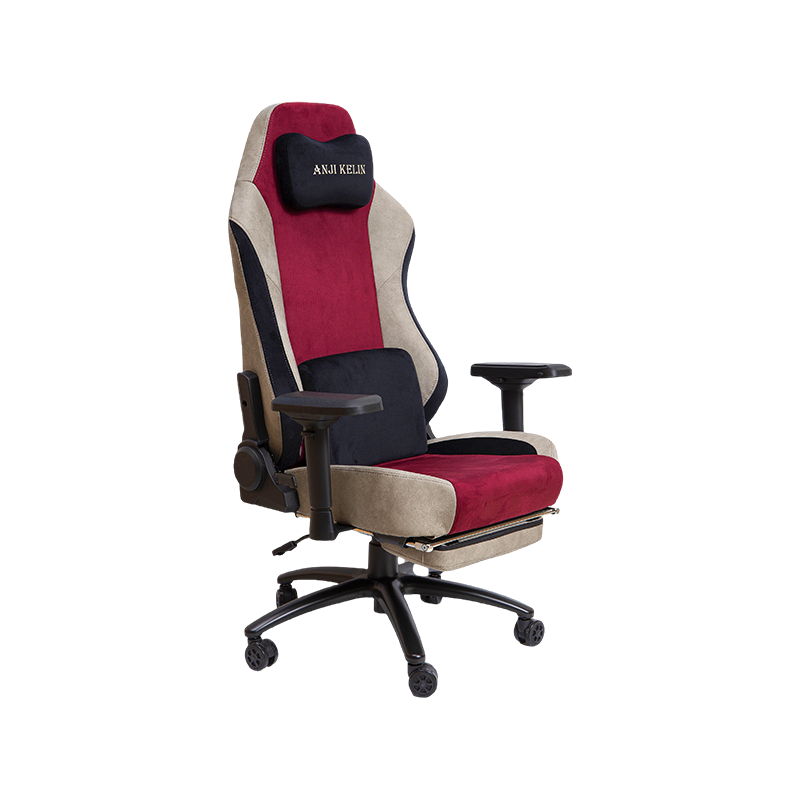
The vast majority of gaming chairs marketed as "leather" use PU leather (polyurethane leather) rather than genuine animal hide. PU leather is a synthetic material consisting of a fabric or split-leather base coated with a polyurethane layer that is embossed to mimic the grain and texture of real leather. It is significantly less expensive than genuine leather, easier to produce in consistent colors and finishes, and widely used across the gaming chair market at all price points. Understanding the distinction between PU leather and genuine leather is important when evaluating any chair's durability claims.
Leather and PU leather surfaces have a smooth, uniform appearance that many users find more premium-looking than fabric. The surface is firm yet slightly cushioned, and new PU leather has a distinctive tactile quality that many gamers associate with high-end seating. Genuine leather develops a patina over time that many owners find appealing; PU leather does not age in the same way — it either maintains its original appearance or begins to peel and crack as the coating separates from the base layer.
The smooth, non-porous surface of PU leather is its clearest practical advantage over fabric. Liquid spills bead on the surface rather than absorbing immediately, giving you time to wipe them clean with a damp cloth. Dust, crumbs, and debris sit on the surface rather than embedding in fibers, making routine cleaning quick and easy. For users who eat or drink at their desk regularly, or who have pets that shed, the ease of cleaning PU leather is a genuine day-to-day benefit.
The most significant drawback of PU leather gaming chairs is the near-universal tendency of the coating to peel and flake after extended use. Heat, UV exposure, sweat, and mechanical flexing all accelerate the breakdown of the polyurethane layer. Once peeling begins, it cannot be reversed — only repaired cosmetically with leather paint or vinyl repair kits, or concealed with a seat cover. This degradation typically becomes visible within two to four years on chairs used daily, and often sooner on budget-tier options with thinner PU coatings. Fabric chairs do not experience this failure mode.
Genuine leather gaming chairs occupy a small, premium segment of the market. Full-grain and top-grain leather surfaces are far more durable than PU leather, breathe slightly better, and age gracefully with proper care. However, they require periodic conditioning to maintain suppleness, are significantly more expensive, and are still warmer to sit on than fabric. For most gaming chair buyers, genuine leather represents an unnecessary cost premium over well-constructed fabric alternatives.
| Factor | Fabric | PU Leather | Genuine Leather |
| Breathability | Excellent | Poor | Moderate |
| Spill resistance | Low | High | Moderate |
| Long-term durability | High — no peeling | Low — peels within 2–4 years | High with proper care |
| Maintenance effort | Moderate (lint, stains) | Low (wipe clean) | High (conditioning required) |
| Hot weather comfort | Very good | Poor — gets sticky | Fair |
| Visual appearance | Casual, textured | Sleek, premium-looking | Premium, ages with character |
| Pet hair / lint | Attracts — needs regular removal | Minimal adhesion | Minimal adhesion |
| Typical price range | Budget to mid-range | Budget to mid-range | Premium |
The phrase "office chair butt" is a colloquial term that captures a real and well-documented set of physical changes associated with prolonged sitting. Understanding what happens to your body during extended seated sessions — and how chair choice interacts with those effects — is directly relevant to selecting the right gaming or office chair for your daily routine.
When you sit, your gluteal muscles (gluteus maximus, medius, and minimus) are largely inactive. Unlike standing or walking, seated posture does not require the glutes to contract or stabilize the body. Over time — particularly for people who sit for eight or more hours per day with little physical activity outside of work — the gluteal muscles can weaken and lose mass through a process called disuse atrophy. This is sometimes called "dead butt syndrome" (officially, gluteal amnesia) in fitness and physical therapy contexts. The muscle tissue does not disappear, but its functional strength and activation patterns diminish, which can contribute to hip flexor tightness, lower back pain, and reduced athletic performance.
The ischial tuberosities — the bony prominences at the base of the pelvis commonly known as the "sitting bones" — bear the majority of your body weight when you are seated. On a poorly designed or excessively firm seat, sustained pressure on these points compresses the soft tissue between the bone and the seat surface, reducing local blood circulation. This is what creates the familiar discomfort and numbness that develops after sitting in the same position for too long. A well-cushioned seat with appropriate foam density distributes this pressure more evenly across the seat pan, delaying the onset of discomfort. The upholstery material affects this indirectly — a breathable fabric surface reduces the heat and moisture buildup that intensifies discomfort during long sessions.
Extended sitting — particularly in a forward-leaning posture common during gaming and desk work — places sustained load on the lumbar intervertebral discs and the surrounding musculature. The hip flexors shorten and tighten, the hamstrings become less flexible, and the lower back muscles fatigue. Over months and years, these postural adaptations contribute to chronic lower back pain, which is among the most prevalent musculoskeletal complaints associated with sedentary work. The chair's lumbar support, seat depth, and recline mechanism play a larger role in managing these effects than the upholstery material, but a seat that generates heat and discomfort encourages more frequent postural shifting and restlessness — both of which increase spinal loading.
Prolonged contact between warm, moist skin and a non-breathable seat surface creates conditions favorable to skin irritation, chafing, and in some cases folliculitis (inflammation of hair follicles). This is rarely a serious health concern for most users, but it is a tangible comfort issue — particularly in warm environments or for users who sit for five or more hours without breaks. Fabric upholstery significantly reduces this risk by allowing moisture to evaporate rather than accumulate at the skin-surface interface.
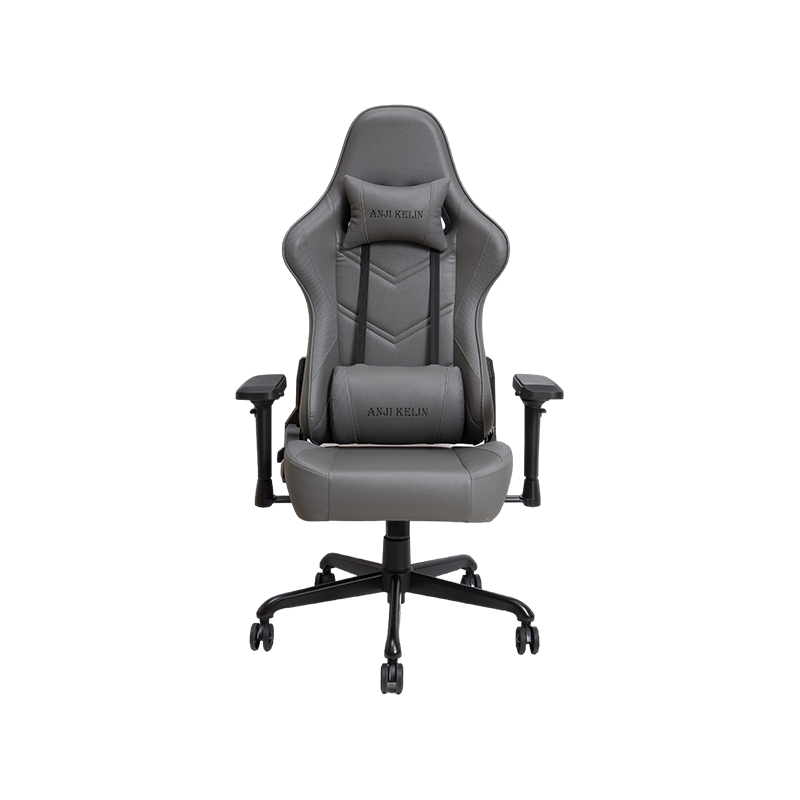
The fabric vs leather decision becomes clearer once you map the trade-offs against your specific situation. The following profiles cover the most common scenarios:
Regardless of which material you choose, the physical effects of prolonged sitting are best managed through a combination of chair ergonomics, movement habits, and supplemental exercise. The following practices are consistently recommended by physiotherapists and ergonomics specialists for heavy chair users:
Your choice of chair material shapes the thermal and tactile experience of every session. But how you move — or do not move — around that chair is what determines the long-term effect on your posture, muscle health, and physical comfort. The best gaming chair is one that supports both the right material choice for your environment and the movement habits that keep prolonged sitting from accumulating into chronic discomfort.
Chairs
Gaming Chair Office Chair High-end Luxury Gaming Chair Regular Gaming Chair Mesh Office Chair PU Leather Office Chair Fabric Office ChairContact Us







