English
 عربى
عربى
 Español
News

Content
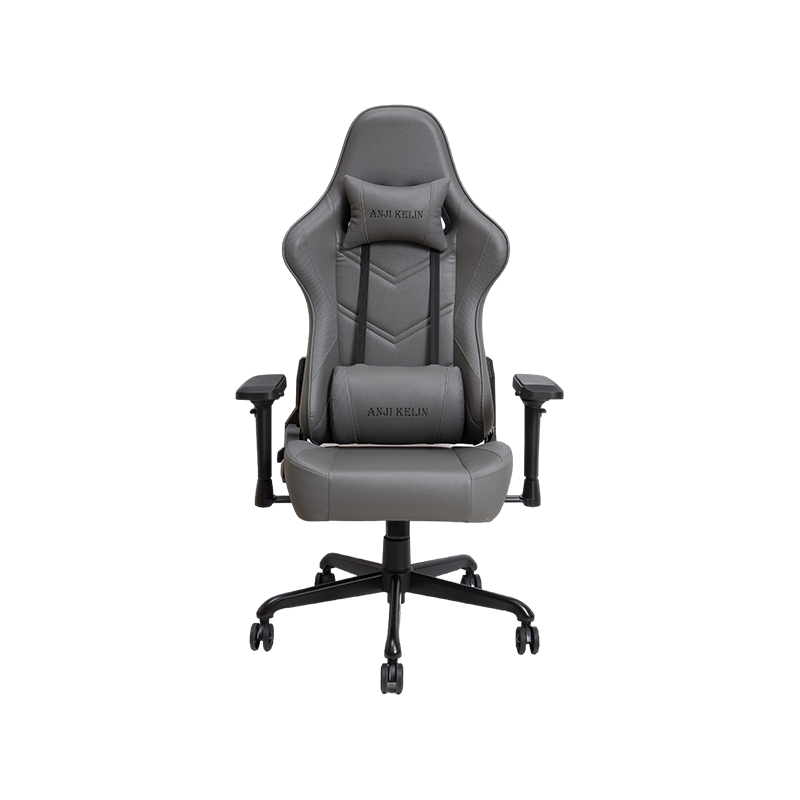
PU leather office chairs have become a popular choice in modern workspaces due to their sleek appearance, affordability, and perceived durability. Polyurethane (PU) leather is a synthetic material designed to mimic genuine leather while offering enhanced resistance to wear and tear. Compared to traditional fabric office chairs, PU leather combines aesthetic appeal with practical functionality, making it a preferred option in corporate environments, home offices, and shared workspaces.
To assess durability, it is important to understand the composition and properties of PU leather.
PU leather is made by coating a base fabric, usually polyester or cotton, with a layer of polyurethane. This synthetic coating creates a smooth, uniform surface that resists spills, stains, and scratches. The manufacturing process can also include embossing techniques to mimic natural leather grains, adding texture and visual interest while maintaining durability.
Unlike fabric chairs that absorb liquids and dirt, PU leather is non-porous and water-resistant. Spills can be quickly wiped away without leaving stains, reducing long-term wear and the need for intensive cleaning. This makes PU leather ideal for environments where maintenance and hygiene are priorities.
When evaluating the durability of office chairs, several factors must be considered, including resistance to wear, cleaning ease, and structural longevity.
PU leather offers superior resistance to abrasion and stretching compared to most fabric chairs. Fabric upholstery is prone to pilling, fraying, and fading over time, especially in high-traffic office settings. PU leather maintains its surface integrity for longer periods, preserving both appearance and comfort.
Fabric chairs require regular vacuuming, deep cleaning, and protection against moisture to prevent mold and odor. PU leather, in contrast, can be cleaned with a simple damp cloth and mild soap. Its low-maintenance nature reduces overall upkeep costs and ensures a consistently professional look.
PU leather chairs often outlast fabric alternatives due to their combined material strength and protective coating. High-quality PU leather resists cracking and peeling, especially when supported by sturdy frames made of steel or reinforced wood. Fabric chairs, while comfortable initially, tend to show wear on cushions and seams sooner under continuous use.
While durability is important, office chairs must also support prolonged use and ergonomic comfort.
One potential drawback of PU leather is its lower breathability compared to fabric, which can cause heat retention during extended seating. However, modern PU leather chairs often incorporate ventilated designs or perforated patterns to enhance airflow and maintain comfort.
PU leather chairs frequently use high-density foam padding that maintains shape and support over time. Fabric chairs may compress faster under continuous pressure, leading to reduced ergonomic support. The combination of PU leather surface and resilient cushioning ensures long-term comfort for office workers.
PU leather chairs are often chosen for their sophisticated appearance and professional feel, contributing to office aesthetics.
The smooth surface of PU leather allows for clean lines and refined finishes that complement modern office interiors. Fabric chairs, while available in a wide range of colors, may appear less formal or premium in certain corporate settings.
PU leather can be manufactured in consistent colors and shades, providing a uniform look across multiple chairs. Fabric may vary in texture and tone, and its colors may fade unevenly over time, affecting the visual harmony of office spaces.
PU leather office chairs provide a durable, low-maintenance, and aesthetically appealing alternative to fabric chairs. While fabric offers higher breathability, PU leather excels in wear resistance, easy cleaning, and long-term structural integrity. For modern offices seeking professional style, durability, and ease of upkeep, PU leather chairs are a practical and reliable investment that balances comfort, functionality, and visual appeal.

Chairs
Gaming Chair Office Chair High-end Luxury Gaming Chair Regular Gaming Chair Mesh Office Chair PU Leather Office Chair Fabric Office ChairContact Us